
- M&S has published Bridge Britain’s Fibre Gap - a new research paper from its nutritionists
- UK adults are consuming around half the amount of fibre they need – the average adult eats 16.2g out of the 30g daily requirement
- A quarter of consumers struggle to identify fibre-rich food sources*
- There is a lack of awareness on the health benefits of fibre, and 92% of consumers want support on increasing their fibre intake**
- The research outlines the key barriers to consuming enough fibre, and what to do about them
According to the National Diet and Nutrition Survey, 96% of Britons are not eating enough fibre***. We all need 30g per day to support immune function and prevent chronic health conditions such as heart disease, type II diabetes and bowel cancer.
Grace Ricotti, Head of Nutrition shares five top tips to get enough fibre into your diet:
- “Make sure you’re getting enough wholegrains - brown and wholegrain varieties of rice, pasta, bread and other grains are richer sources of fibre than white varieties because they retain the entire grain, including the germ, endosperm and bran layers.
- Beans and pulses are a fantastic plant-based fibre and source of protein – they contain on average 2.5 times more fibre than two slices of white bread.
- Add nuts and seeds on top of soups, salads or breakfast for an extra boost of fibre.
- The classic advice to eat five sources of fruit and veg a day is so important – they are rich sources of fibre, and not enough of us are eating all five.
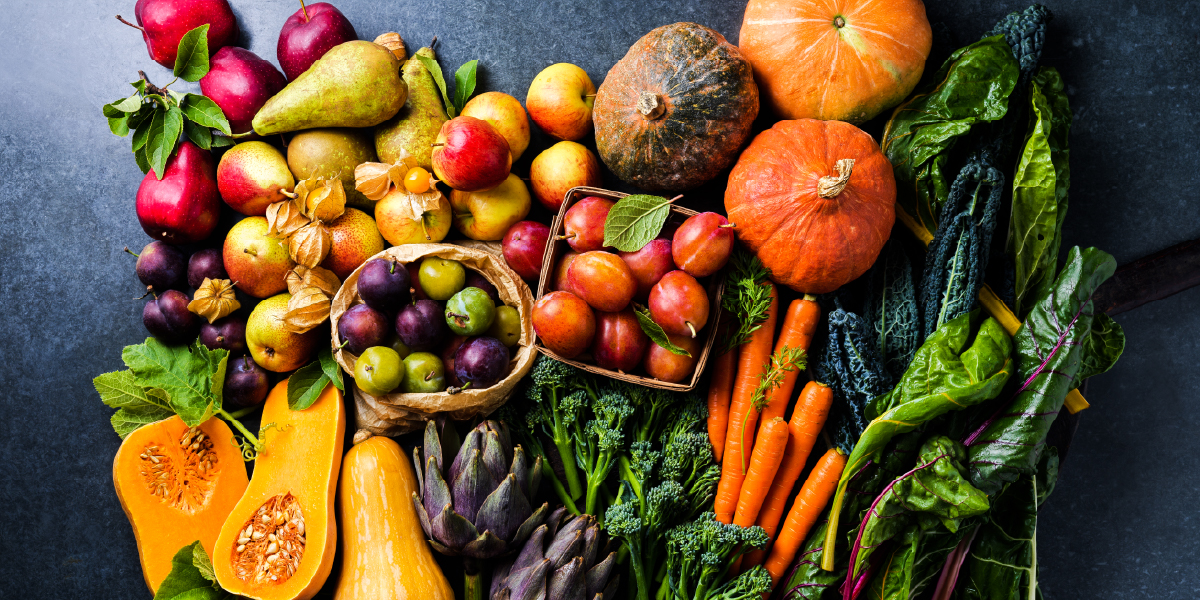
- Eat the rainbow - adding colour to your meals is an easy way to ensure you are getting fibre diversity in your diet.”
M&S has been rated the number one retailer for health choices for the last three consecutive years****. It’s Eat Well logo, which signposts over 1800 health choices across its Food halls turns 21 this year.
M&S labels grammage of fibre on the back of pack for all its products, but this is not mandatory under current legislation. As a quarter of consumers struggle to identify fibre-rich food sources, M&S is calling for clearer and more consistent labelling on pack to support individuals to meet the 30g daily recommendation.
Increasing the availability of naturally fibre-rich foods will support more people to pick up products which support their daily intake. This month, M&S launched its brand-new Nutrient Dense range this month, with 20 products which all contain a source of fibre, or another key mineral or vitamin people in the UK are deficient in. Each product clearly labels the amount of fibre on pack, to support customers to reach their daily requirement. It has also extended its range of fibre-rich ingredients across its deli range, adding chickpeas and beans to more products.
Grace Ricotti, Head of Nutrition at M&S Food said:
“There is clear evidence linking fibre to improved health outcomes, which is why we’re sharing our research and insights about Britain’s Fibre Gap, and what to do about it.
We support collaboration between government and industry to prioritise fibre-rich products, effective communication around fibre and its public health benefits.
Our report includes practical steps to drive fibre consumption including clearer labelling on pack, fibre-enrichment of products like bread and more flexibility for retailers to make fibre claims so that it’s easy for customers to see which products are high in fibre.”
Elaine Hindal, Chief Executive of The British Nutrition Foundation said:
“The low fibre intakes that we see in the UK population reflect poor dietary patterns with a lack of fruit and vegetables, wholegrains, pulses and other plant foods. Evidence shows that low fibre diets increase the risk of diet-related disease including heart disease, type 2 diabetes and bowel cancer and so increasing fibre intakes is vital to improve population health.
We welcome this new report, encouraging industry to take action to support consumers in bridging the fibre gap and making fibre-rich choices easier and more appealing”.
Read our Bridging Britain's Fibre Gap Report Here
ENDS
*BOUNCE Insights, 2025
**BOUNCE Insights, 2025
***OHID “National Diet and Nutrition Survey 2019-2023: Report”, UK Government, London, 2025
****YouGov Brand Index Survey, between April 2023 and January 2026
Digest the Data Report 2026 Food