
- This week, M&S launches three vertically farmed salads in stores, grown using advanced robotics which require up to 96% less water than traditionally grown salad crops
- The salad leaves are grown using vertical farming in a fully controlled environment, where water and nutrients are delivered directly to the roots, resulting in around 97% less fertiliser use and no pesticides compared with conventional field‑grown salad
- Three exclusive salad varieties are available only in M&S Food stores: Citrus Sorrel Baby Leaves, Spicy Baby Leaves and Baby Garlic Kale
- Leaves are harvested at the perfect moment for the best quality leaf and packed within 60 seconds, helping them stay fresher for up to five days longer than an average bag of salad
- The products form part of M&S’s wider Plan A for Farming, alongside work with growers to improve soil health, biodiversity and use new sustainable methods for food production
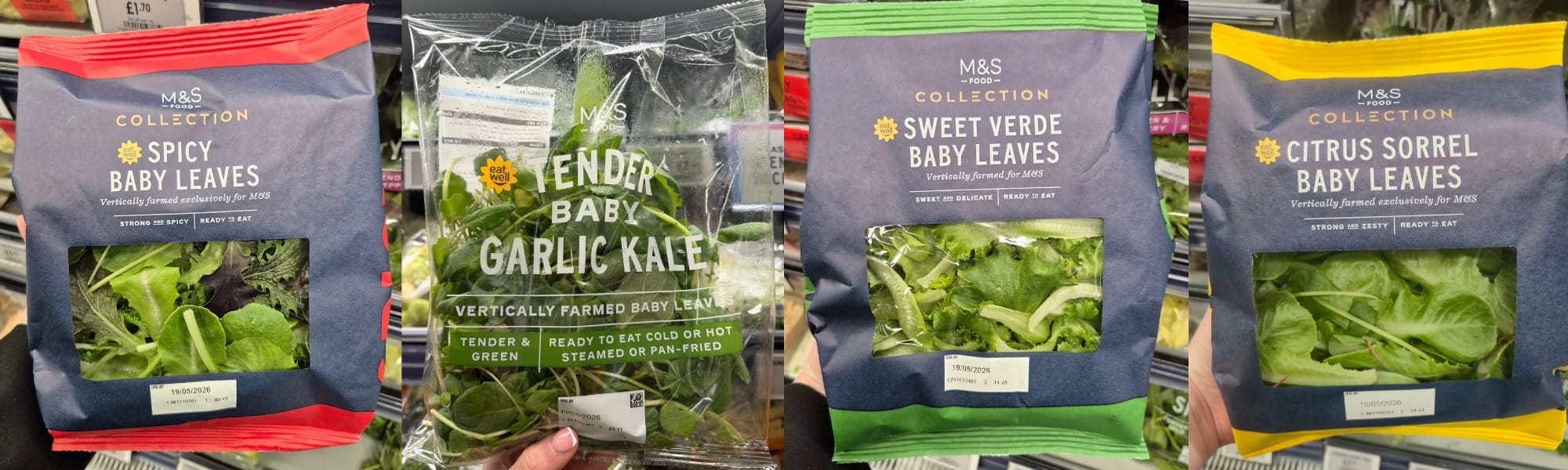
Marks & Spencer is bringing three vertically farmed salad products to stores this week as part of its ongoing work to find innovative ways to produce food that tastes exceptional and stays fresh for longer.
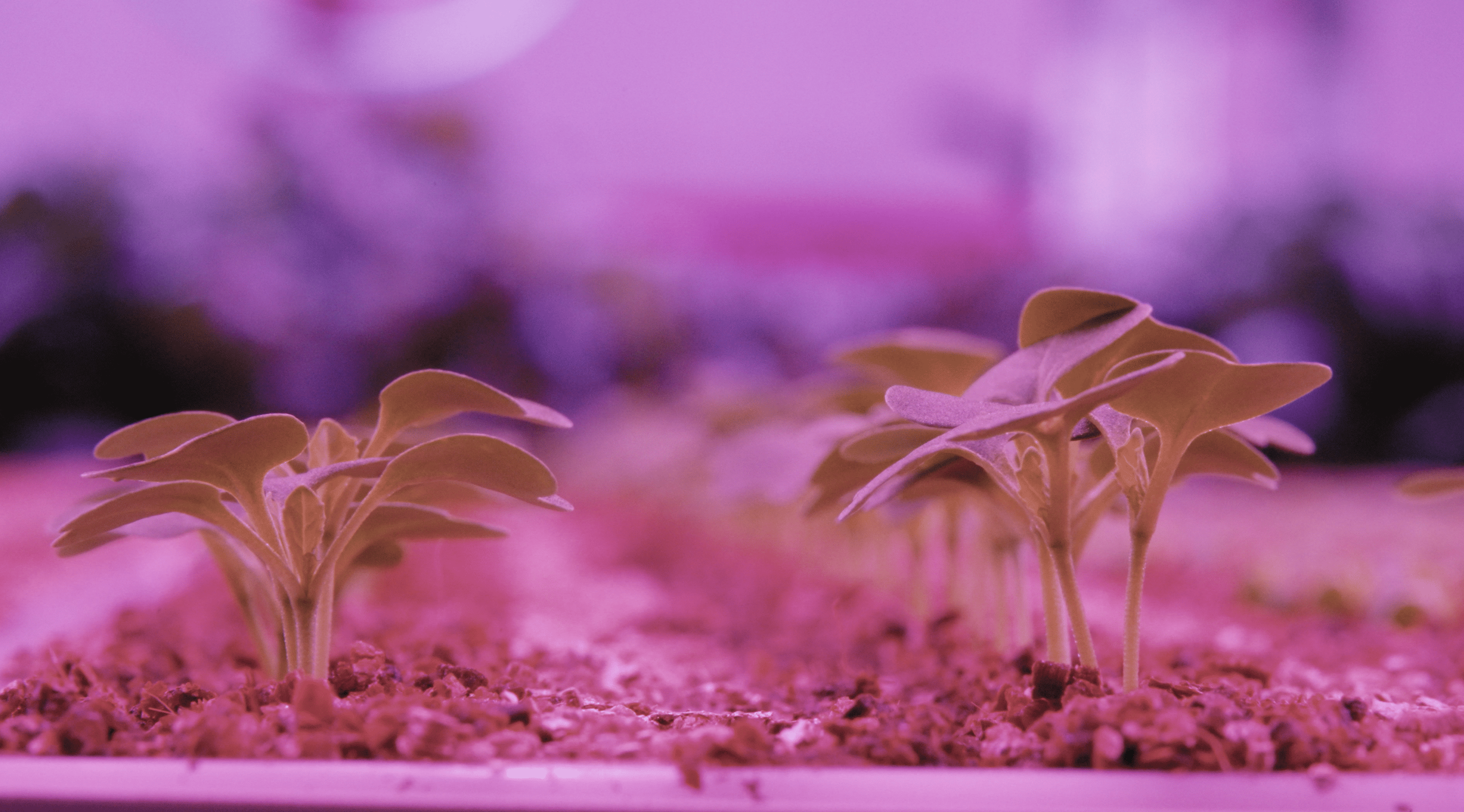
The salads are grown indoors using vertical farming, where temperature, light and water are carefully optimised to create consistent growing conditions year‑round. Advanced robotics are used to plant the seeds, which are grown with a growing substrate instead of soil to direct the exact nutrients needed to grow the perfect leaf. UV lights in the vertical farm maintain the perfect conditions for the leaves to grow.
This approach not only enhances product quality and customer convenience - as the salads require no washing before consumption - but also supports more sustainable agriculture using 96% less water and eliminating the need for pesticides. Fertiliser use is also reduced by around 97%, and crops are grown without the use of pesticides.
The three salad varieties grown in this innovative way — Citrus Sorrel Baby Leaves, Spicy Baby Leaves and Baby Garlic Kale — are unique flavours exclusive to M&S Food stores.
Because the leaves are grown in a controlled environment and harvested without soil, they can be picked at the optimal moment for consistent quality and flavour and packed within 60 seconds of harvest. This results in salads that stay fresher for up to five days longer than an average bag of salad, helping customers prolong the life of their food and reduce household waste.
Andrew Clappen, Director of Technical for M&S Food, said: “The future of food is about finding new and innovative methods which put less pressure on the environment while delivering the best in market flavour and quality. These Collection salads are vertically grown exclusively for M&S and bring new flavours to our customers with a dramatically reduced water consumption – supporting our Plan A goal to reach net zero by 2040 across our supply chain.”
Daniele, Co-Founder & CEO for Planet Farms: "Today marks a major milestone for Planet Farms and for the future of fresh produce in the UK and Ireland. After years of close collaboration and joint development with M&S, we are incredibly proud to launch four M&S own-label products nationwide and deliver the UK’s first own-label vertically farmed salad range. This achievement reflects the uncompromising approach to quality and innovation and the passion for exceptional produce that brought Planet Farms and M&S together in the first place. We are excited to bring these new products to customers across the country."
The vertical farming products sit alongside M&S’s Plan A for Farming, a five‑year commitment launched last year to help deliver a more sustainable future for food. Through the programme, M&S is also working with conventional farmers to adopt regenerative practices that improve soil health and boost biodiversity, including planting cover crops and herbal leys, reducing tillage, and establishing hedgerows and trees.
Improving traditional farming practices and investing in new growing systems will be essential to meeting environmental challenges while continuing to supply fresh food year‑round.
ENDS
2026 Food