
UK-EU Food Trade Deal Will Mean Fresher Produce – and Less Latin
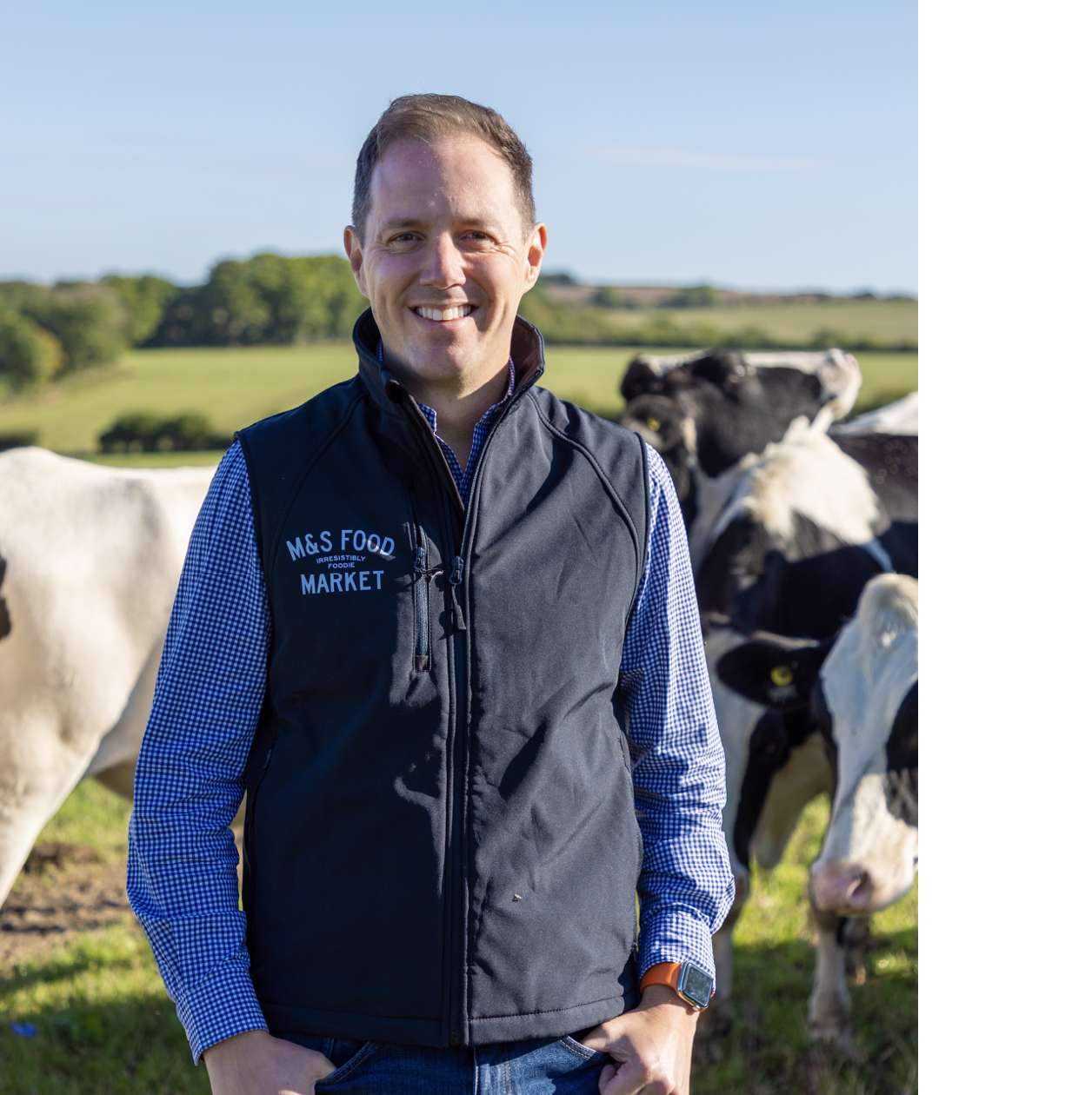
By Alex Freudmann, Managing Director of M&S Food
How hard can it be to get a Spaghetti Bolognese from a factory in Lincolnshire onto a shelf in Dublin? Today, it takes hundreds of extra miles, mountains of paperwork, a vet's signature and the Latin name of a cow (Bos taurus, if you're wondering). This is what food trade looks like after Brexit. And it's why we need the UK-EU food trade deal announced today.
The journey of an M&S Spaghetti Bolognese, made with 100% British Beef, starts at 9am at our supplier in Boston. By the afternoon, it has arrived at our depot in Cumbernauld, 300 miles north. Our teams then spend six hours preparing 300 pages of paperwork for a single lorry. It records everything down to the species of cow used for the beef and whether it has lived in the UK for the last three months.
The next morning, the vets arrive. They check, hand-sign and stamp every certificate. At midday the lorries are loaded again and board the ferry from Cairnryan, on the west coast of Scotland. Each lorry carries around 20,000 products: our bolognese, fruit and vegetables, sandwiches and joints of meat. By early evening they arrive in Northern Ireland, where every load is checked again. Our bolognese should reach a shelf in Dublin on day three.
But wrong detail, a typo or the wrong colour ink, and all 20,000 products can be held at the border. Sometimes for six hours, sometimes three days. All that time, food is losing shelf life and risks being wasted, meaning Irish shoppers find gaps where their dinner should be.
Our M&S halloumi is made in Cyprus to EU standards. But when we sell it in Northern Ireland, it has to carry a "Not for EU" label, a post-Brexit rule designed to stop non-compliant products entering the EU market. Shoppers are puzzled when their French brie or Greek yoghurt declares it is 'Not for EU'.
Then there are products we can't send at all. M&S's British Sausages, made in Hull with 100% British pork, can be sold in the UK but not sent to the EU. Current rules bar any chilled meat preparations like sausages - that's a whole category of great British food shut out of our nearest market.
Since 2018, British food and agricultural exports to the EU have fallen by 22%, almost £4bn in real terms. Behind that number are farmers and producers like the 8,500 British farmers and 60 Irish suppliers M&S works with, who make some of the best food in the world but find it almost impossible to sell to their nearest neighbours. That's why last year, UK retailers including M&S, Sainsbury's, Morrisons and Asda wrote to the EU in support of a comprehensive deal.
For M&S alone, the current arrangements cost millions in vet fees, paperwork, logistics and wasted food. We closed our business across France, including a store that sold thousands of British sandwiches to customers on the Champs-Élysées, because we simply couldn't get fresh food onto shelves in time. In Ireland, around 1,000 products have been removed from our range or replaced.
When this deal comes into force, it will remove this bureaucracy. Food will reach shelves fresher, with up to two extra days of shelf life, less waste and a fuller range. And British farmers and suppliers will have a chance to sell into Europe again.
The Government deserves credit for working with industry and farmers to get this done. The job now is to make the transition just as sensible: no new labels or forms and plenty of notice to prepare.
At M&S, we'll help our suppliers make the most of the new export opportunity. Our 32 million customers come to us for fresh, quality food. Soon, we'll be able to spend more of our time on that, and less time writing Latin.