

At M&S, we use about 6000 tonnes of palm oil a year in products such as biscuits, bread, ready meals and cosmetics. Because of its neutral flavour and aroma and great cooking properties it is incredibly useful and versatile.
We buy less than 0.01% of the world’s palm oil but we’re determined to make sure this doesn’t contribute to deforestation. We’ve been working since 2006 to source more sustainably produced palm oil.
We’re supporting efforts to raise standards across the whole sector too, aiming to break the link between palm oil production and deforestation.
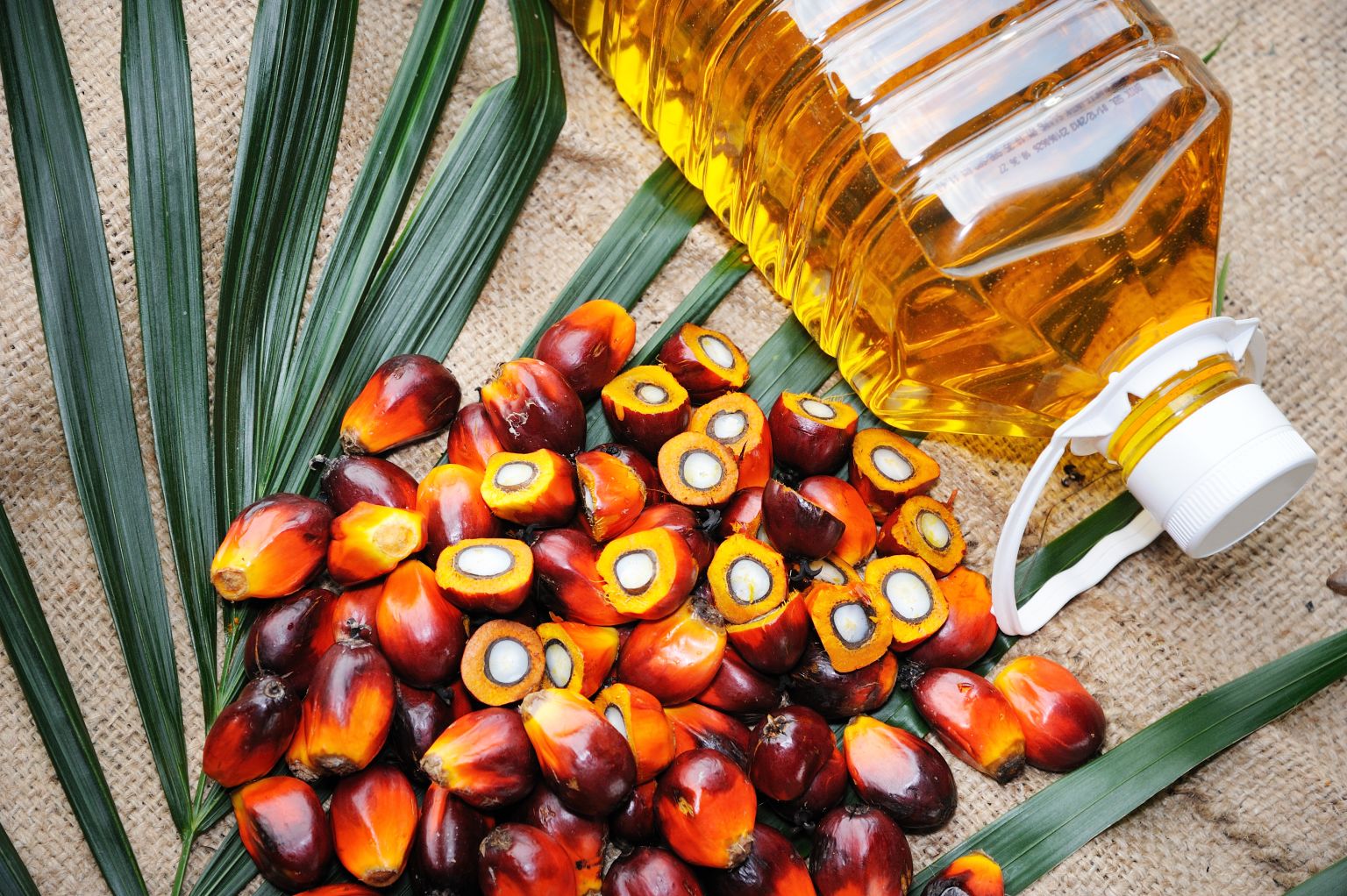
Why is palm oil so popular?
Palm oil is an incredibly versatile ingredient. It often requires less processing than other oils and has a neutral flavour and smell. It is used in everything from food to lipsticks, detergents and pharmaceuticals.
It’s an attractive crop for producers because it’s so efficient to grow. You can get at least two times more palm oil per acre than other vegetable oils and sometimes up to 10 times more.
What’s the problem with palm oil?
As demand for palm oil soared, huge areas of tropical rainforest and peatland in South East Asia were cleared to expand smallholdings and make way for large scale plantations.
This is bad news for endangered species like orangutan and the Sumatran tiger and bad news for efforts to combat climate change. Clearing forests to grow crops such as palm oil and soy or to raise cattle is thought to be responsible for up to 15% of global greenhouse gas emissions.
Palm oil has become an important source of income and employment for millions of people in developing countries. But in some areas, its production has been linked with human rights violations affecting indigenous communities and plantation workers.
What we think
Destroying forests to grow palm oil is not acceptable. We only want to use palm oil that’s been produced sustainably. That means no deforestation and protection for the rights of workers and communities.
But, simply boycotting palm oil is not the answer...

Why don’t we just stop using palm oil?
Our palm oil standards
We only buy palm oil that is certified responsibly sourced by the Roundtable on Sustainable Palm Oil – a global non-profit organisation. The RSPO is working to improve palm oil production to protect biodiversity and forests and safeguard human rights.
We set our own additional standards for suppliers too. We require them to report progress to us and to be transparent about where they source their palm oil. We monitor their progress and we’ll stop working with companies who don’t meet our requirements.


How are we doing?
100% of the palm oil used in our products meets RSPO standards and has done so since 2010. And 98.8% of our certified palm oil in our own brand food products is actually ‘segregated’ which means it is fully traceable to more sustainable sources.
In addition to sourcing RSPO certified palm oil we extend our commitment beyond our direct supply chains by partnering with Forever Sabah, where we have supported the audit and successful RSPO certification of smallholders in Malaysia. This collaborative effort not only safeguards forests but also empowers local smallholder farmers to cultivate palm sustainably, enabling more RSPO certified sustainable palm to come to market. We are continuing our investment and have also partnered with Pacos Trust, to deliver workshops to support smallholders in their understanding of human rights and gender issues in their community.
M&S continues to be recognised as a leader. In WWF’s 2024 Palm Oil Buyers Scorecard, M&S was rated ‘Leading the Way’, scoring above 21 out of 24. In the 2026 RSPO Shared Responsibility Scorecard, M&S achieved 10 / 10, with full marks across transparency and legality, social responsibility, environmental performance and resourcing. These benchmarks recognise both responsible sourcing within our supply chain and our contribution to wider market transformation.
Joining forces to improve production
We use a small fraction of the world’s palm oil. We can make a difference by buying sustainable palm oil but we can’t transform the industry on our own.
We have worked with businesses, governments and civil society since 2006 to improve palm oil production and strengthen transparency. We collaborate with the Roundtable for Sustainable Palm Oil (RSPO), UK Sustainable Commodities Initiative and the Retailers’ Palm Oil Group and contribute to wider industry discussions on derivatives, traceability, regulation and smallholder inclusion.
Over the next year we’ll be going even further to increase transparency – enabling our customers to find out more about where the palm oil we use comes from.